Standard rivets for reliable, everyday fastening
Standard rivets are a dependable fastening method for joining pieces of material in transport builds, fabrication and on-site repairs. From aluminium panels to steel brackets, these rivets offer consistent clamping force and durability.
Built for strength, simplicity and consistent results
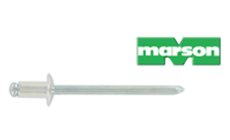
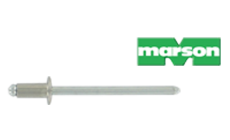
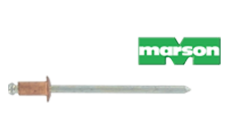
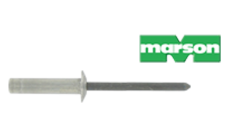
Our standard rivet selection covers a wide range of dome, countersunk, and large-flange rivets to suit different head types and load requirements. Whether you need a lightweight aluminium rivet for softer materials or a high-strength steel option for structural work, we stock reliable blind- and open-end designs compatible with common and basic riveting tools.
Need help choosing?
Talk to our team
Choosing the right rivet is not just about diameter and length. Grip range, materials being joined and exposure to corrosion all play a role in long term performance. When you talk to the Ovesco team, you get practical advice tailored to your application, whether that is transport bodies, machinery or general fabrication.

Designed to handle heavy-duty fastening demands
Key features of standard rivets
Rivets offer a simple yet highly effective fastening solution, but the details matter. Our range of rivets is selected for performance across transport, trades and manufacturing, giving you confidence in every install.
Key features include:
- Consistent clamping force across the specified grip range
- Available in aluminium, steel, stainless steel and copper
- Options include dome, button head, countersunk and large flange
- Multi-grip and open-end configurations
- Strong mandrel design for reliable shear and tensile strength
- Designed to withstand vibration and movement
Secure, reliable, and built to last
Common uses for standard rivets
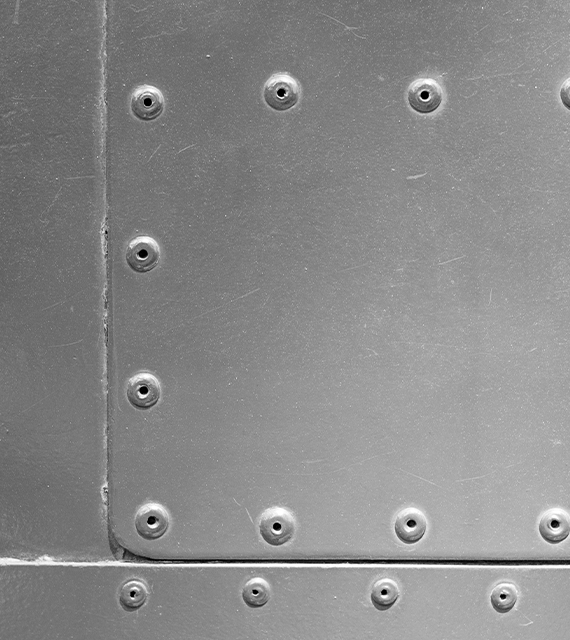
Rivets are commonly used to join sheet metal, brackets and panels where access is limited to one side. In transport builds, they are ideal for fastening Colorbond sheeting, lightweight guards and internal linings. In fabrication, rivets are used to join steel components, aluminium extrusions and even timber to metal interfaces.
Because blind rivet installation requires access from only one side, it is a common choice for confined spaces in trailers, truck bodies, and service vehicles. Large flange rivets help distribute load across softer materials. From general maintenance to aerospace and structural assemblies, rivets securely join components without the need for bolts or adhesives.
Install with confidence
How to install standard rivets
To install a rivet correctly, you only need the right-size drill bit, a compatible rivet gun, and attention to the grip range. Taking a few extra moments to prepare ensures easy installation and long-term durability.
01
Step 1 – Select the correct rivet and drill size
Confirm the required diameter, grip range, and head type for the materials being joined. Match the rivet to the total thickness and use the recommended drill bit to create a clean hole through both materials.
02
Step 2 – Prepare and align the materials
Clamp or hold the materials securely in position before you install. Ensure the holes are aligned and free from burrs. This is especially important when working with softer materials such as aluminium or timber.
03
Step 3 – Insert the rivet and set it with a rivet gun
Place the rivet body into the drilled hole until the flange sits flush against the surface. Insert the mandrel into the rivet gun and compress the handles. The tail end expands behind the material, creating the required clamping force and shear strength.
04
Step 4 – Check the set and finish
Once the mandrel snaps, inspect the rivet head to confirm it is seated correctly. If required, a countersink can be used beforehand for flush finishes. Properly set rivets are not easily removed and will withstand vibration and load in demanding applications.
Australia’s leading supplier of hardware
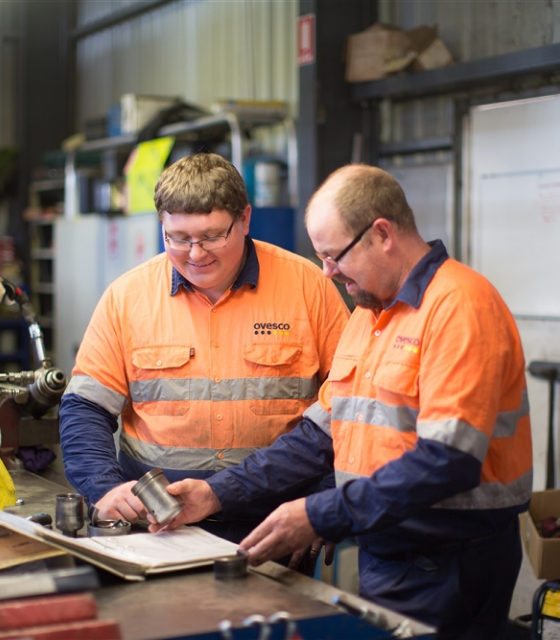
Ovesco is a trusted supplier to the Australian transport and manufacturing industry, known for quality, availability and practical support. We stock a wide range of hardware products for fabrication, fleet maintenance, and heavy-duty applications, making us a reliable partner for workshops and worksites across Australia.
Hardware expertise that saves you time
Our team helps you select the correct rivet, grip range and material for your job, whether you are working with steel panels, aluminium sheeting or Colorbond components.
Stock you can count on
We carry standard rivets in popular sizes, including 3.2mm and other common diameters, as well as multi-grip and large-flange rivets, so you can keep your projects moving without delays.
What our customers say
From independent tradies to national transport companies, we’re proud to supply locking hardware that gets the job done. Here’s what our customers have to say about our service and stock.
MS
Meredith Sabo

I have just received the best customer service from Ovesco. Immediately served me pleasantly. Helped with struts opened the door and I felt really appreciated as a customer. I almost want to go back and buy more gas struts even though I don't need them

Posted on
Google
KK
Kip Killaghan
Gate hinges, latches, fittings, gas struts. These guys know their stuff. Always happy to help. Super polite and friendly. There is always someone there who knows exactly what you need and maybe able to point you in a better direction if you have any doubts for the project you are embarking on.
Posted on
Google
BW
Bill W
Needed some struts for my wagon, not only were they extremely helpful, but ended up removing my old ones and fitting the new ones at no extra cost. Price was good as well. Many thanks guys
Posted on
Google
AW
Anthony Wakeling
only used Ovesco twice but on each occassion the service has been excellent. right product , well packaged and fast delivery. Great business to deal with!
Posted on
Google
FAQs about standard rivets
What is a standard rivet and how does it work?
A standard rivet is a mechanical fastener used to join two or more pieces of material. In a blind rivet, also known as a pop rivet, a mandrel is pulled through the rivet body, expanding the tail end to create clamping force and secure fastening.
What materials are standard rivets available in?
How do I choose the correct grip range?
When should I use large flange rivets?
Are rivets suitable for structural applications?
Can rivets be removed if needed?
Do I need specialised tools to install a rivet?
 B2B
Fasteners & Tools
HUCK Tool Hire Tips: Choosing the Right Tool for the Job
B2B
Fasteners & Tools
HUCK Tool Hire Tips: Choosing the Right Tool for the Job
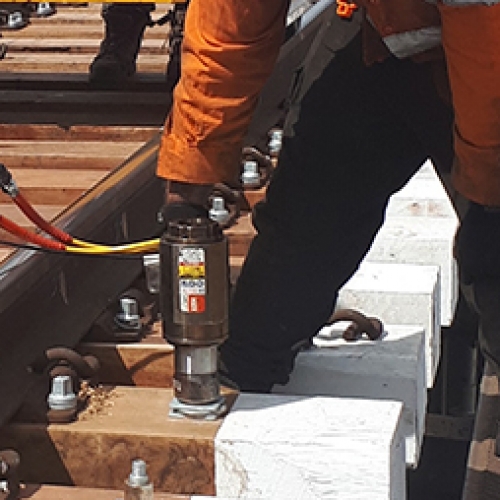
When it comes to precision fastening and heavy duty assembly, having the ri...
 Fasteners & Tools
Your Go-To Guide for Threaded Inserts
Fasteners & Tools
Your Go-To Guide for Threaded Inserts
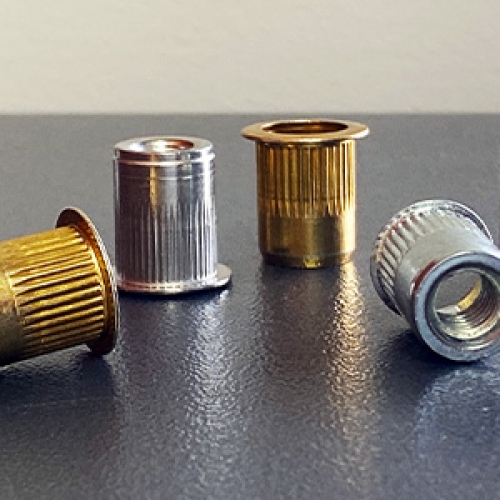
When it comes to securing joints in materials with limited access, the vers...
 Fasteners & Tools
HUCK Fasteners 101: A Guide to Types and Uses
Fasteners & Tools
HUCK Fasteners 101: A Guide to Types and Uses
When it comes to choosing the right fasteners for your project, making info...
Have a question?
Talk to us about standard rivets
If you need dependable fastening solutions for transport, fabrication or maintenance, talk to Ovesco about our standard rivet range.


