21 April 2026
![Common Hinge Installation Mistakes (and How to Avoid Them)]()
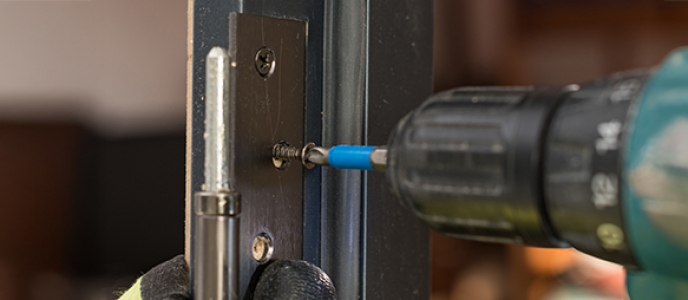
When you are working on toolboxes, trailers, canopies or service bodies, hinge installation plays a bigger role than most people expect. Even with quality hardware, small installation mistakes can lead to sagging doors, poor alignment or premature wear.
At Ovesco, we supply hinges built for transport, industrial and workshop applications. Getting the install right ensures you get the full performance out of that hardware. Here are some of the most common issues we see and how to avoid them.
Choosing the Wrong Type of Hinge
Different applications call for different hinge types. Using a light-duty hinge on a heavy toolbox lid or the wrong material in exposed conditions will quickly lead to failure.
How to avoid it:
Match the hinge to the job. For example, stainless steel hinges are ideal for external use where moisture is a factor. Continuous or piano hinges are a strong option for long toolbox lids or doors, helping spread the load evenly. Weld-on hinges are better suited to heavy-duty trailer and industrial applications.
Incorrect Hinge Placement
Incorrect hinge positioning is one of the main causes of sagging and uneven movement, especially on larger panels.
How to avoid it:
Position hinges to properly support the weight of the door or lid. On toolboxes and canopies, this often means even spacing or running a continuous hinge along the full length. Always check alignment before fixing in place.
Using the Wrong Fasteners
Fasteners need to suit both the hinge and the mounting surface. Using undersized or mismatched fasteners can lead to movement over time, especially in high-vibration environments like transport.
How to avoid it:
Use quality fasteners suited to the material. Stainless steel fasteners are a good match for stainless hinges, particularly in outdoor or exposed applications. For metal installs, ensure you are using the correct bolts or rivets for a secure hold.
Skipping Preparation
Rushing the install often leads to misalignment or poor fitment, particularly on timber or composite panels.
How to avoid it:
Take the time to mark out accurately and pre-drill where required. This helps ensure the hinge sits correctly and operates smoothly from the start.
Over or Under Tightening
Over tightening can distort the hinge or damage threads, while under tightening allows movement that leads to wear.
How to avoid it:
Tighten fasteners evenly and securely so the hinge sits flat without stress points.
Ignoring Load Distribution
Toolbox lids, canopy doors and trailer panels often see frequent use and constant vibration. Underestimating this can shorten hinge life.
How to avoid it:
Continuous hinges are particularly effective for high-use applications as they distribute weight and reduce stress on individual points.
Overlooking Compatibility with Other Hardware
Hinges need to work alongside locks, latches, gas struts and seals. If these are not considered during install, you can run into clearance or alignment issues.
How to avoid it:
Check the full setup before final fixing. Make sure everything operates smoothly together, especially on toolbox and canopy builds where multiple components are involved.
Get a Better Result with the Right Approach
Ovesco’s hinge range is designed for real-world applications across transport, workshops and industrial setups. With the right selection and correct installation, you can achieve a clean finish, reliable operation and long service life.
Talk to the Ovesco Team
If you are unsure which hinge suits your application, the Ovesco team can help. We will guide you to the right option and make sure your setup works as it should.