23 October 2026
![Five Small Safety Upgrades for Work Vehicles and Trailers]()
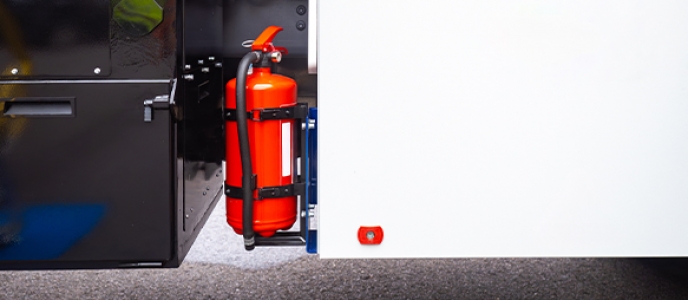
Small improvements can make work vehicles and trailers safer and easier to use. From reducing movement while parked to improving visibility and access, the right safety equipment can help address common risks encountered on the road and at the worksite.
At a Glance
- Use wheel chocks to help prevent parked vehicles and trailers from moving.
- Improve grip on steps and access points with anti-slip products.
- Keep a suitable fire extinguisher securely mounted and accessible.
- Check that vehicle and work lights provide adequate visibility.
- Use appropriate tie-down points to keep equipment secure during transport.
1. Wheel Safety Chocks
Wheel chocks provide an additional safeguard against unwanted vehicle or trailer movement while parked.
They are particularly useful when loading, unloading or working around trucks, trailers, caravans and heavy machinery. Choose a chock suited to the tyre size, vehicle and surface, and store it somewhere easy to access.
2. Anti-Slip Steps, Plates and Tapes
Vehicle steps, platforms and access points can become slippery when exposed to water, mud, grease or dust.
Anti-slip tapes, plates and steps can help improve grip in frequently used areas. The right option will depend on the surface, environment and level of wear expected.
3. Accessible Fire Equipment
A fire extinguisher should be suitable for the risks associated with the vehicle or work being carried out. It should also be securely mounted where it can be reached quickly.
Check your fire extinguisher regularly for visible damage, loss of pressure or an expired service date. Make sure brackets and mounting points remain secure.
4. Reliable Vehicle and Work Lighting
Good lighting supports visibility on the road and around the work area.
Check that tail, brake, indicator and marker lights are operating correctly. LED work lights can also provide additional illumination around service vehicles, trailers and machinery when working in low-light conditions.
5. Secure Tie-Down Points
Loose tools and equipment can move during travel, creating a risk to the vehicle, its contents and other road users.
Inspect tie-down rings, shackles and chains for wear, corrosion, bending or loose mounting points. Always select load-restraint equipment suited to the application and expected load.
Review Your Vehicle Setup
The equipment required will depend on the vehicle, work environment and tasks being completed. Regularly reviewing your setup can help identify simple improvements before small issues become larger problems.
Explore Ovesco’s safety product range or talk to our team for help finding suitable products for your vehicle or trailer.


